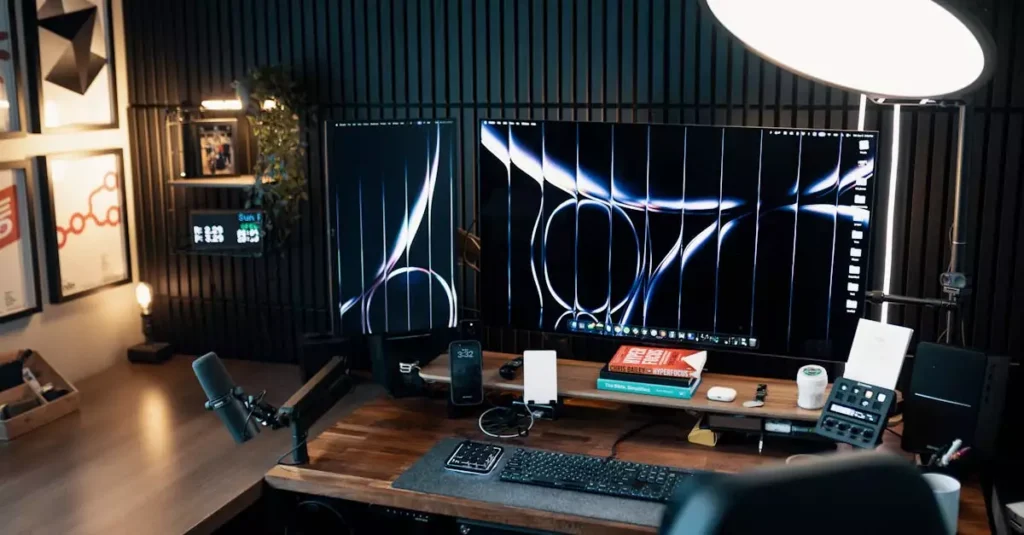
If you’re hunting for a reliable webcam under 200 dollars, you can get excellent video quality, dependable microphones, and useful extras without breaking the bank. In this guide I cover the best models available for home office setups, streaming, telehealth, and remote learning so you can choose the right fit for your needs.
I’ve tested webcams in real-world setups and compared specifications, ergonomics, and value-per-dollar. Below you’ll find detailed picks, a comparison table, a practical buying guide, and setup tips to get crisp video for meetings and content creation.
Why choose a webcam under $200
Spending up to $200 hits a sweet spot: you avoid the limitations of cheap models while gaining features often reserved for pro gear — higher resolution, better low-light performance, wide dynamic range, and improved autofocus. For most remote workers and small creators, a sub-$200 webcam delivers professional-looking results whether you’re on video calls, streaming, or recording tutorials.
Also consider long-term value: many webcams in this range are plug-and-play with universal mounting and robust driver support, which reduces setup time and ongoing troubleshooting. That matters when your camera is part of a daily routine.
Top webcams under $200
Below are my top picks across different use cases: best overall, best for streaming, best budget performer, best for motion-focused calls, and best for multi-room portability. Each listing includes features, pros and cons, and a quick link to check current prices on Amazon.

Webcam Model 1
Balanced performer that works well in both well-lit and dim rooms. Good autofocus and color reproduction make it a reliable all-rounder.
- 3 key features: 1080p/60fps, built-in dual stereo mics, adjustable clip & tripod-ready base
- 3 key features: HDR support for better contrast in mixed lighting, fast autofocus, privacy shutter
- 3 key features: USB-A plug-and-play, wide 78-degree field of view, low-light enhancement
- Pros: Smooth 60fps for motion, consistent color, easy mounting
- Pros: Good mic pickup for solo calls, privacy cover included
- Cons: No optical zoom, slightly bulky for laptop-only setups
- Cons: Software offers limited advanced controls
Webcam Model 2
Optimized for streamers and content creators who want smooth motion and accurate skin tones without complicated setup.
- 3 key features: 1080p/60fps with low latency, background replacement support, integrated ring light
- 3 key features: Wide 90-degree FOV option, hardware noise reduction for microphone, adjustable brightness
- 3 key features: Swivel mount and quick-release clip, durable metal housing, software presets for streaming
- Pros: Excellent for moving subjects, bright but natural ring light, versatile mounting
- Pros: Good color accuracy out of the box, streamer-friendly controls
- Cons: Ring light can create reflections on glasses, larger footprint
- Cons: Software can be buggy on some OS versions
Webcam Model 3
A budget-minded option that still offers crisp video for daily meetings and online classes. Great when you need basic reliability and simple controls.
- 3 key features: 1080p/30fps, omnidirectional mic, compact swivel clip
- 3 key features: Automatic exposure, plug-and-play compatibility, low-profile design for laptops
- 3 key features: Built-in privacy cover, wide compatibility with major apps, affordable price point
- Pros: Very affordable for the specs, compact and light, easy setup
- Pros: Reliable performance for standard video calls
- Cons: 30fps limits smooth motion, weaker low-light handling than pricier models
- Cons: Mic pickup is average for noisy rooms
Webcam Model 4
Designed for small conference rooms and multi-person setups. Wider field of view and multi-mic pickup help capture group calls more naturally.
- 3 key features: 1080p/30fps with 120-degree FOV option, beamforming microphones, mountable on tripod or display
- 3 key features: Speaker-tracking compatibility, noise suppression, enterprise-friendly drivers
- 3 key features: Durable bracket for wall mounting, low-latency video feed, scalable for meeting rooms
- Pros: Great for small groups, clear voice pickup in short distances, flexible mounting
- Pros: Solid build quality for office environments
- Cons: Wider FOV can introduce distortion at edges, not ideal for single-person framing
- Cons: Pricier than single-use consumer cams with similar resolution
Webcam Model 5
Compact travel-friendly webcam that balances portability with strong video quality. Ideal for consultants and remote workers who travel often.
- 3 key features: 720p/60fps optimized for bandwidth efficiency, fold-down clip, low-power draw
- 3 key features: Built-in privacy shutter, USB-C connection for modern laptops, lightweight construction
- 3 key features: Fast wake and auto-focus, durable hinge, compatible with docking stations
- Pros: Great portability, robust build for travel, USB-C ready
- Pros: Efficient for unstable bandwidth conditions
- Cons: Lower resolution than others here, not ideal for high-quality recording
- Cons: Mic is weaker compared to desktop-focused models
Webcam Model 6
Feature-rich option for creators who want advanced controls like manual exposure, custom color profiles, and software-based framing assistance.
- 3 key features: 1080p/60fps, manual exposure/white balance, custom LUT support
- 3 key features: Detachable windshield for mic, advanced autofocus with face priority, software-driven effects
- 3 key features: Sturdy tripod thread, studio-grade color profiles, multi-platform support
- Pros: Professional controls, excellent color tuning, great for semi-professional content
- Pros: Strong community support for custom presets
- Cons: Learning curve for advanced settings, larger software footprint
- Cons: Slightly higher price within the under-$200 bracket
Webcam Model 7
Best choice for low-light environments thanks to strong sensor sensitivity and noise reduction algorithms. Good for evening streams or dim home offices.
- 3 key features: Low-light optimized 1080p sensor, multi-frame noise reduction, adaptive exposure
- 3 key features: Wide-angle lens with minimal barrel distortion, improved microphone sensitivity, robust autofocus
- 3 key features: Quick-release mount, portrait and landscape orientation support, durable design
- Pros: Excellent low-light video, smooth autofocus in dim scenes
- Pros: Great for rooms without studio lighting
- Cons: Slightly muted colors in very low light without color correction
- Cons: Heavier than simple clip-on cams
Webcam Model 8
Solid performer focused on clarity and reliability for daily professional use. Clean output with minimal processing makes it easy to use with conferencing platforms.
- 3 key features: 1080p/30–60fps adaptive, dual-array microphone, background blur mode
- 3 key features: Auto light correction, secure mounting clip, low CPU usage
- 3 key features: Compatible with major OS and conferencing apps, firmware updates available, long cable
- Pros: Stable performance, minimal driver fuss, firmware-backed improvements
- Pros: Good choice for corporate IT deployments
- Cons: Lacks some creative streaming features, average color depth
- Cons: No dedicated app for advanced picture controls
What to expect from webcams in this price range
For under $200, you should expect reliable 1080p performance with many models offering 60fps for fluid motion. Features commonly found include HDR or wide dynamic range, hardware or software noise suppression, and better autofocus compared to budget units.

You won’t typically find true 4K sensors at this price with the same quality optics and low-light performance; however, many cameras provide strong upscale or processing options that look great on typical video calls. If you want raw cinema-level footage, you’d move into dedicated cameras or higher budgets, but for reliable everyday use this tier is often the best mix of performance and value.
Comparison table
| Name | Resolution / Frame Rate | Field of View | Microphone | Best for |
|---|---|---|---|---|
| Webcam Model 1 | 1080p / 60fps | 78° | Dual stereo mics | All-round use |
| Webcam Model 2 | 1080p / 60fps | 90° | Noise-reduced mic | Streaming |
| Webcam Model 3 | 1080p / 30fps | 75° | Omnidirectional | Budget calls |
| Webcam Model 4 | 1080p / 30fps | 120° | Beamforming mics | Small group calls |
| Webcam Model 5 | 720p / 60fps | 70° | Integrated mic | Travel |
| Webcam Model 6 | 1080p / 60fps | 82° | Detachable windshield | Creators |
| Webcam Model 7 | 1080p / 60fps | 85° | Enhanced sensitivity | Low-light use |
| Webcam Model 8 | 1080p / 30–60fps | 78° | Dual-array | Professional calls |
Buying guide: what features matter most
When choosing a webcam under $200, focus on the factors that affect everyday experience: resolution and frame rate, lens quality, field of view, microphone performance, and software/driver support. Each element impacts how you present on video and how comfortable setup will be.
- Resolution & Frame Rate: 1080p is standard and delivers crisp video for most uses. If you move a lot or stream fast action, 60fps looks smoother.
- Lens & Sensor: Quality optics and a good sensor matter more than raw specs. Look for cameras with HDR or low-light enhancement for varied lighting.
- Field of View (FOV): A wider FOV (90–120°) suits group calls or desk setups where you want more background. For head-and-shoulders framing, 70–85° is more flattering.
- Microphone: Dual or beamforming mics help isolate voice. If audio is crucial, consider pairing the cam with a dedicated USB microphone.
- Mounting & Portability: Check clip stability, tripod compatibility, and whether the cam fits your monitor or laptop bezel securely.
- Software: Good firmware/software can add value — background blur, color tuning, and firmware updates matter for longevity.
For technical history and context on camera hardware, see the overview on the webcam entry at Wikipedia.
Real-world usage, setup tips, and expert recommendations
In my experience setting up webcams for different rooms, lighting makes the biggest difference after picking a capable camera. Even a high-quality webcam will look poor with harsh backlight or overhead fluorescent lights. Position the main light source behind your webcam and aim for soft, diffused light.
For connectivity and driver notes, many modern webcams rely on the USB Video Class standard — useful for ensuring cross-platform compatibility without special drivers.
Practical tips:
- Mounting: Use a small tripod for consistent framing and stability if your monitor clip is shaky.
- Audio pairing: For interviews or podcasts, pair the webcam with a USB mic placed close to the speaker for clearer sound than webcams alone typically provide.
- Bandwidth: If your upload speed is limited, choose 720p or 1080p at 30fps to reduce dropped frames. Test with your conferencing app before important calls.
- Privacy: Use models with a manual shutter if you want a hardware guarantee of privacy.
For more on typical videoconferencing practices and standards, a reliable resource is the general videoconferencing overview on Wikipedia.
FAQs
How much resolution do I really need for video calls?
For standard business calls and teaching, 1080p is more than sufficient and widely supported. 720p still works if bandwidth is limited, while 4K is mostly unnecessary unless you’re producing high-resolution content or need heavy cropping in post.
Is 60fps really worth it for a webcam?
60fps provides smoother motion and is noticeable when you move around, show products, or stream gameplay. For static talking-head calls, 30fps is usually fine and saves bandwidth and CPU.
Can I use a webcam as a streaming camera with overlays?
Yes. Most webcams integrate with streaming software like OBS and Streamlabs. Advanced models offer presets and LUT support that help create consistent colors and overlays without a capture card.
Do built-in microphones on webcams work for professional calls?
Built-in mics are fine for everyday calls and small meeting rooms, but for podcasting, interviews, or noisy environments a dedicated USB microphone will deliver much better clarity and control.
How do I improve low-light performance without changing my webcam?
Use soft frontal lighting, adjust exposure and white balance in the camera software, reduce strong backlighting, and consider adding a compact LED panel or a ring light to smooth shadows and boost perceived quality.
Conclusion
Choosing a webcam under 200 dollars gives you a compelling balance of image quality, features, and long-term value. Prioritize the features that match your use case: smooth frame rates and ring lights for streamers, wide FOV and beamforming mics for small groups, or portability and USB-C for travel.
Review the product list above and click through to Amazon to check current prices and availability. Testing a camera in your actual room setup — with your lighting and internet — is the best way to confirm it meets your needs.